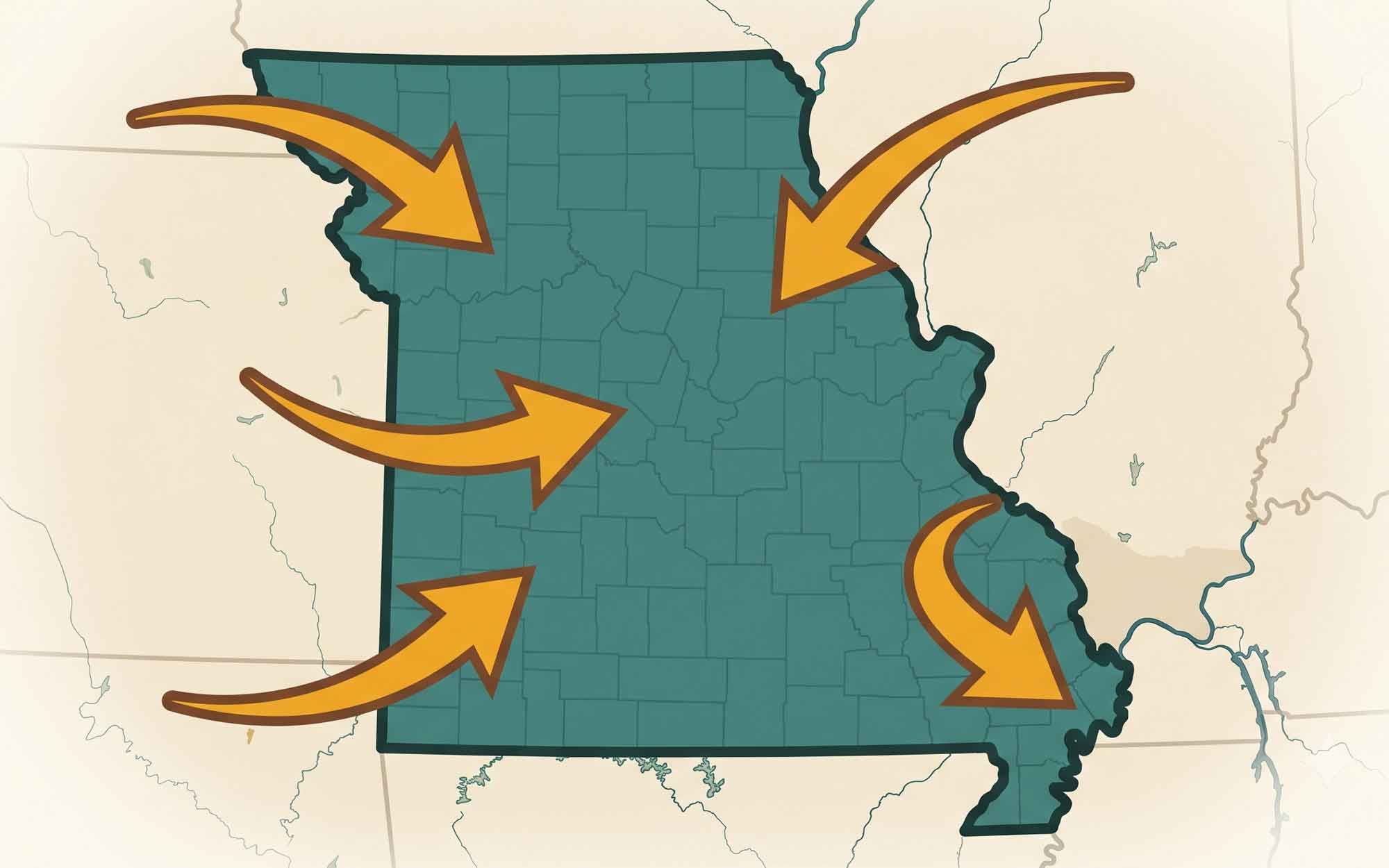
At Level, we have a bold vision of a world where people in prison build brighter futures through transformative education. When a person enters a prison or correctional facility, we believe that their access to education, skills, and knowledge should not be cut off by administrative hurdles or bureaucratic limitations. Educational and workforce development programming, books, and self-paced study programs offer more than just information for people in prison – they offer dignity, hope, and a tangible path forward to prepare for a brighter future. However, over and over, at federal, state prisons and county jails across the country, people in prison have to fight for access to educational programming.
A bridge built on knowledge
Since 2020, Level has worked to build a direct bridge between society and individuals behind bars through accessible educational and workforce development programming. People in prison do not have access to the open internet, and technology they are given including tablets come with inconsistent access to limited resources. So access to educational resources often comes to people in prison through the physical mail.
Focusing on self-paced study guides – ranging from small business management and computer science fundamentals to financial literacy and food safety licensing – Level provided practical tools designed to empower incarcerated learners and shipped directly to them to enable broad access. In Missouri state prisons, Level’s educational guides delivered steady, reliable educational and workforce development opportunities. Until the fall of 2023.
Missouri Department of Corrections began blocking access
In September 2023, that vital flow of educational material into Missouri state prisons abruptly stopped. The Missouri Department of Corrections (MODOC) instituted restrictive updates to its property and control procedures, enforcing a narrow and unfunctional “Bona Fide Vendor” policy. This policy blocked content from Level and other educational providers.
MODOC implemented the following restrictions:
- Free Materials Were Blocked: Incarcerated individuals could no longer receive free educational or non-religious reading materials from non-profit organizations. Under the MODOC policy, the only way that people in prison could receive publications or books was to have their case manager write a “green check” from their commissary funds to one of a small number of approved vendors. If a publication that arrived at a facility wasn’t traceable to a green check, it could be rejected. Essentially, this “green check” restriction blocked access to free reading materials – since no check was created for such orders – and blocked paid access to publications from most other vendors, and people in prison had to pay themselves from commissary funds.
- Family Supporters Were Cut Out: Family members and loved ones outside prison walls were prohibited from ordering educational publications directly for individuals on the inside.
- Restricted Registration Standards: Materials were required to come from “bona fide vendors” who had filed unspecified, “appropriate records” specifically with the Missouri Secretary of State. There was no way to know what this term meant or what organizations were on this list or if the list even existed.
- Unfettered Administrative Discretion: MODOC offered no application process or objective guidelines on how an organization could achieve “bona fide” status, leaving prison administrators with complete discretion to grant or deny approval.
Almost overnight, educational content mailed to Missouri facilities began bouncing back to sender or disappearing into silent mailroom rejections. Loved ones were told they could no longer send educational materials, and requests from learners inside Missouri facilities plummeted. An educational vacuum was created, leaving incarcerated people isolated from basic learning resources offered by Level and other providers.
Standing up for the First Amendment
Level believed that closing the door on educational materials infringed upon fundamental constitutional protections. Incarcerated individuals retain a core First Amendment right to receive written speech, just as outside educational publishers and family supporters retain the right to send it.
To challenge these arbitrary restrictions, Level partnered with the First Amendment Clinic at Washington University in St. Louis School of Law. In January 2025, Level filed a federal lawsuit in the U.S. District Court for the Western District of Missouri. The complaint alleged that MODOC’s policy operated as an unconstitutional prior restraint on protected speech and violated the Fourteenth Amendment’s protections against vague, arbitrary enforcement.
First Amendment rights don’t end at prison gates. While prison authorities can enact reasonable safety rules, those rules have to be proportionate and rationally connected to actual risks. When rules arbitrarily limit the rights of incarcerated people and those who wish to communicate with them, it’s important to challenge those restrictions.
– Lisa Hoppenjans, Director, First Amendment Clinic at Washington University in St. Louis School of Law
The settlement: opening doors to education in prison across Missouri
In July 2026, Level and MODOC reached a comprehensive settlement agreement that fundamentally reshapes how publications enter Missouri state prisons. The agreement eliminates the arbitrary barriers that once blocked non-profit educational and literacy organizations from reaching people behind bars.
Key systemic changes enacted by the settlement include:
- Expanded Vendor Qualification: Vendor eligibility is no longer restricted to entities registered with the Missouri Secretary of State. Any legitimate entity registered with any state authority – including non-profit organizations across the country – can now qualify as a vendor.
- Clear Online Application & Timely Reviews: MODOC must establish a formal application process through its website. Vendors will receive written determinations within 30 business days, along with a formal appeal process if an application is denied.
- Restored Access to Free Educational Materials: MODOC will implement an official process allowing incarcerated individuals to request free publications through their facility case managers, ensuring cost is no longer a barrier to learning.
- Public Vendor Directory: MODOC will publish and maintain an approved list of vendors accessible to both facility staff and incarcerated individuals across all state institutions.
MODOC has 150 days to implement these changes, which are scheduled to go into effect in the fall of 2026.
For all the time and resources that this lawsuit required, imagine what the experience was like for those inside Missouri state prisons who were suddenly cut off from outside educational resources and who had no recourse. We are so thankful to the leadership and law student practitioners at the First Amendment Clinic at Washington University in St. Louis. In the end, a sensible and favorable policy was established.
– Alex Wright, Executive Director at Level
The new policies laid out in the settlement agreement between Level and MODOC apply to a broad range of education publishers and community organizations dedicated to sending books to people at Missouri state prisons.
In previous years we at Missouri Prison Books sent thousands of free books annually to incarcerated readers in Missouri, and we hope we will soon be able to resume doing so. This is a great victory on behalf of incarcerated folks, for their First Amendment rights, and for their humanity.
– Board Of Directors, Missouri Prison Books
A reopened path to human potential
This settlement marks a major victory for human rights, access to literacy, and educational freedom. By replacing arbitrary restrictions with transparent, accessible procedures, Missouri state prisons have reopened their doors to educational and literacy organizations nationwide.
For the thousands of individuals currently incarcerated in Missouri, this agreement restores access to educational content from the outside world, self-study programs, and essential knowledge. It reinforces a simple, powerful truth: every person, regardless of where they are, deserves the opportunity to learn, grow, prepare for a meaningful future, and contribute to thriving communities.
Huge thanks to Lisa Hoppenjans and Ben Wilson and all the law student practitioners at the First Amendment Clinic at Washington University in St. Louis. This victory would not have happened without their vision and tireless dedication to this case.