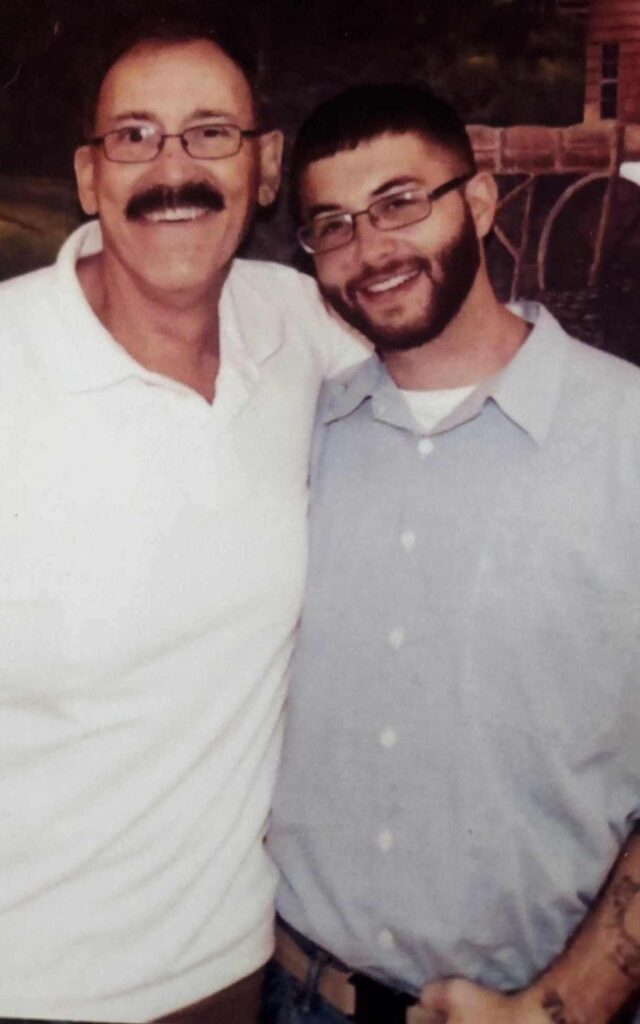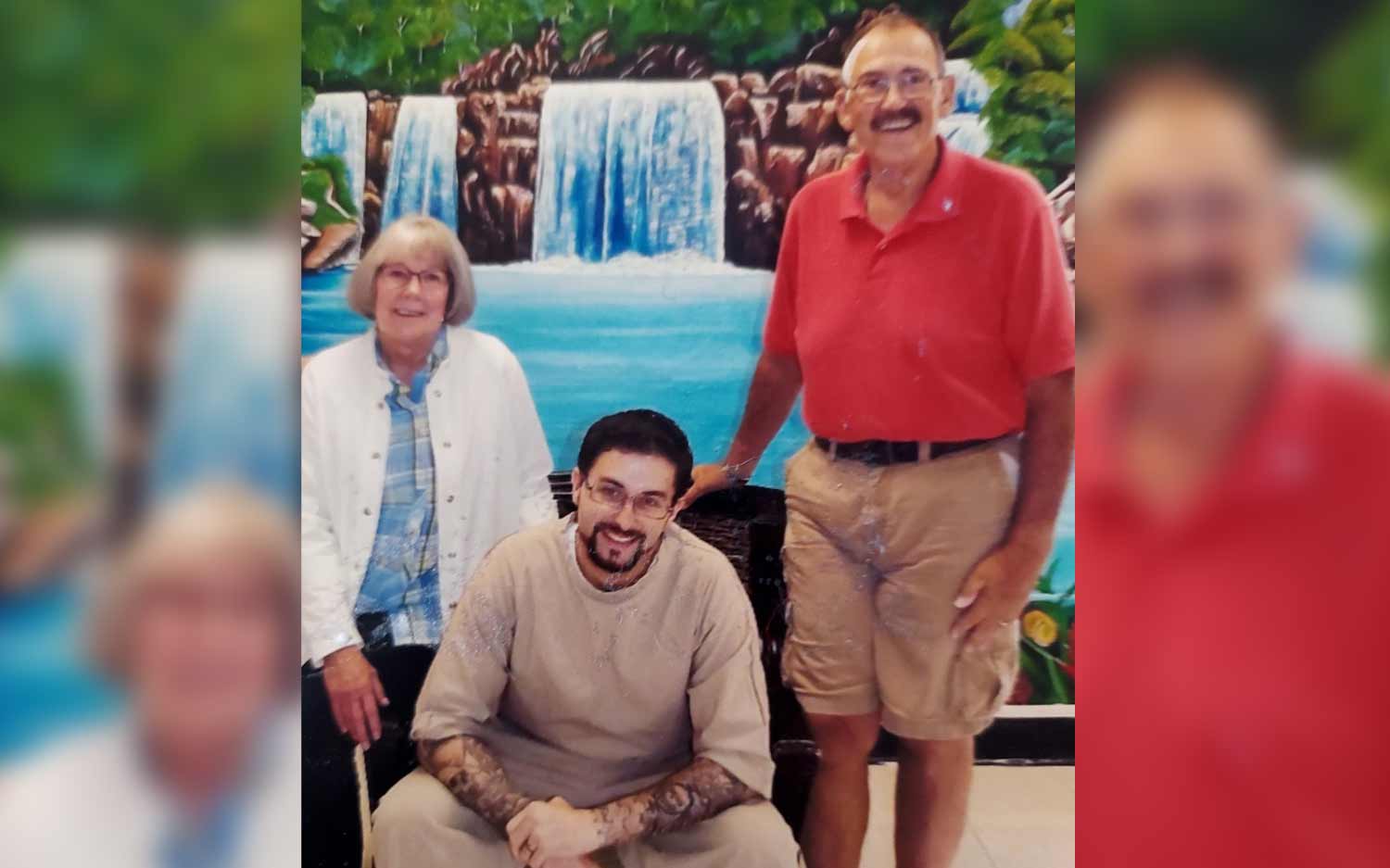
For seven long years, Phil and Kathy Shaw had been on the list for adoption, waiting for the call that there was a baby available for placement with them. At last, it came. Go to Roanoke, the Virginia couple was told; there’s a 6 month old boy there for you to see. “They said, ‘Of course, you don’t have to take him if you don’t want,’” says Phil. But as soon as they arrived and a staff person brought the baby to meet them, there was no question about them taking him. “He looks to Kathy,” Phil says, “and he reaches towards her, like, ‘That’s my mama.’ Oh, we knew. We knew.”
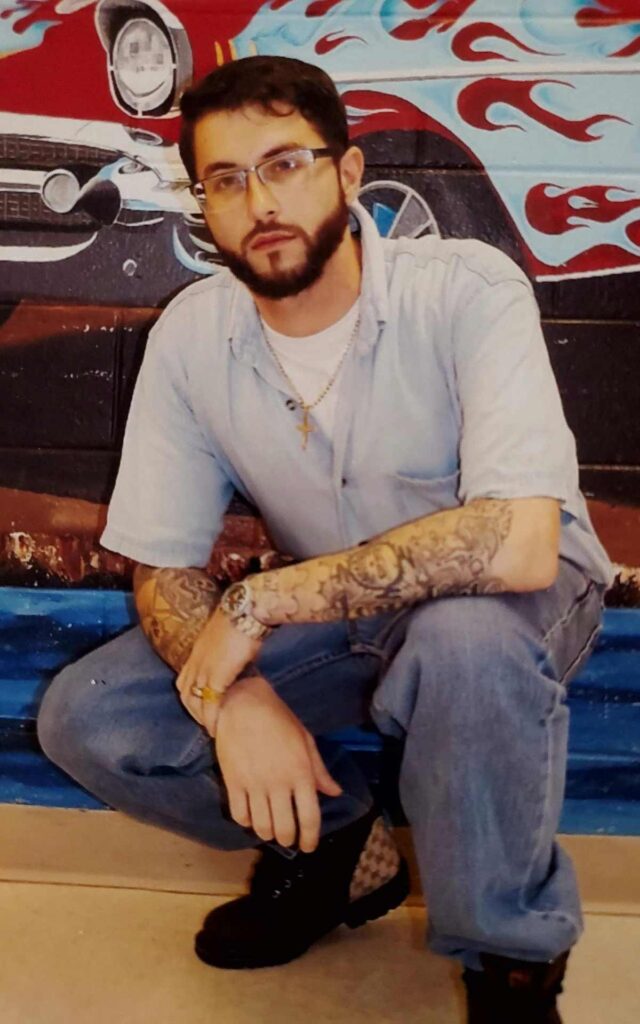
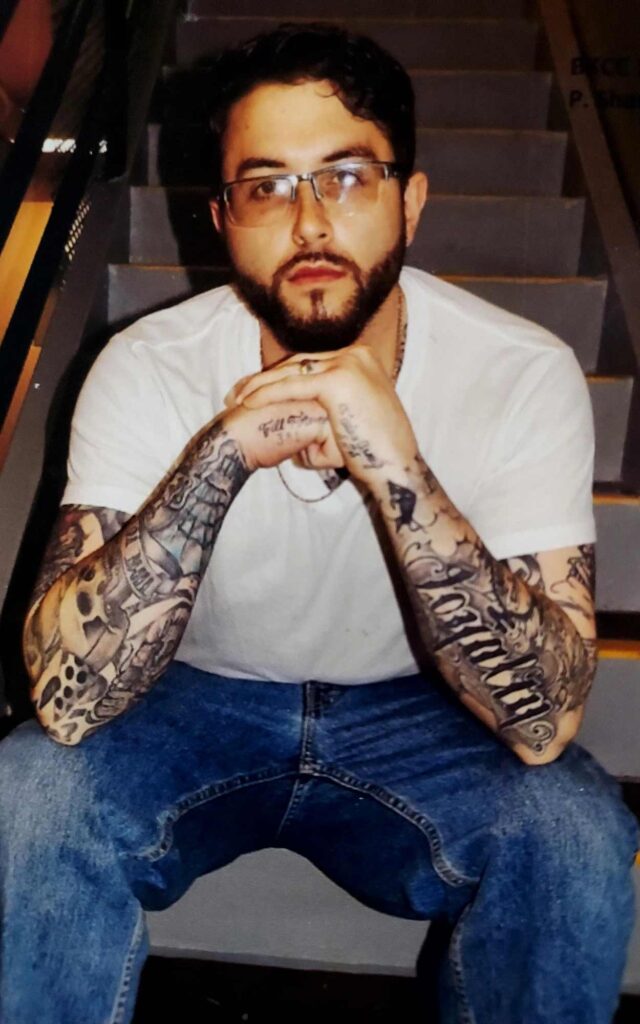
They named their new son Bronson (a movie starring Charles Bronson was on TV when the parents-to-be were discussing names, and they knew “right then and there that was his name”) and the connection the Shaws immediately felt to the boy has remained steady ever since, even through the challenges they’ve faced as a family. “We had our problems,” says Phil. “He’s been a difficult child to raise, Lord knows – Kathy took the brunt of it – but we love him. He’s still got problems, but, you know… he’s my son. He’s our son. And we want to help him in any way we can.”
With Bronson currently incarcerated in a Virginia state correctional facility, the help his parents want to provide is by way of education. “Kathy has an associate’s degree, I have a bachelor’s degree, and we realize education is power,” says Phil. “Simple as that. You get an education – and it doesn’t have to be book education, it doesn’t have to be to get an actual college degree – any knowledge only helps you and, if you’re working, only helps your employer. So that’s what we want for our son. We want him to be successful.”
It was Bronson who discovered Level and told his dad, “Check this out. This is something.” Once Phil did check it out, he realized that the program offered a rare opportunity for his son to further his education while he was incarcerated. “The state of Virginia is very, very backward when it comes to educating their felons over 21,” he says. “If you’re under 21, they have a high school for you, so you can graduate from high school. If you’re under 21, they do rehabilitation. If you’re over that age, it’s incarceration. And they do nothing – I repeat, nothing – to make sure that when you leave those gates you won’t be back. I like the fact that Level is helping people that sometimes have no help on the outside. By helping them, you’re only going to make them a better citizen when they get out.”
Education is power, simple as that. Anytime you can enhance knowledge, you should do so. And it doesn’t have to be a college degree. Any knowledge helps you, and if you’re working, helps your employer. That’s what we want for our son. We want him to be successful. Working with Level, he gets that working knowledge.
– Phil Shaw, sponsor of an incarcerated loved one
Bronson getting out is a thing Phil and Kathy think about a great deal. And they have worries. “When you get out of prison, you’ve done your time according to the law, okay?” says Phil. “However, most public opinion is, they hold it against you. As a matter of fact, here in Chesterfield County, my son will not be able to rent an apartment. Why? Because he’s a convicted felon. Does that make sense to you? It doesn’t make sense to me. And then, it was only up until recently that if you owed fines to the state of Virginia, they suspended your driving license. Now, if you’re lucky enough to get a job, and you’re lucky enough to have some place to stay, it better be on a bus line or you have somebody to take you to and from the job. Failing that, you’ve got to drive. Well, what happens? You’re breaking the law again. What happens? They’re going to send you back in.”
In addition to the challenges facing everyone who’s been incarcerated, Bronson faces serious personal challenges. He contracted a staph infection on the inside and nearly died. He still has to rely on a walker or a wheelchair to get around. And according to Kathy, Bronson is “too antsy” to last in college or an office job. “My biggest worry is, will he be able to find a job? You know what I’m saying? That really scares me to death.”
Luckily, she adds, “Our son is highly intelligent.” Phil concurs, telling a story about the time Bronson had a golf cart that wasn’t running and he couldn’t get any grownups to help him fix it. Bronson took the cart apart, did a schematic, and got it running himself. “So that shows you,” Phil says. “I mean, he’s got it.” His fix-it skills so impressed the students and counselors at a school he attended, they even nicknamed him MacGyver. As if that weren’t enough, “he’s an excellent writer,” says Kathy, and also a published poet.
Moreover, Phil says, “Bronson’s got a great heart. Great heart. He’ll call Kathy and say, ‘Hey, Mama, I got a buddy here, his parents don’t have the money to put money on his books. Can you call them and then what we’ll do is, you can transfer the call so he can talk to them.’ He does that all the time. He’s helping people in there.”
When Phil and Kathy think about Bronson coming home, that familial bond between them and their son is still evident. They look forward to spending quality time together. Asked what they’d like to do, Kathy says, “Well, he wants to go fishing with his dad. And we would love to take him on a vacation, we really would, but I don’t know if he’s allowed to leave the state, so we really need to find out about all of that.” Phil agrees, reflecting, “We’ll always be there for him because he is our son. No matter what he does, he’s our son, you know what I mean?”